
Turning waste into warmth: How energy from waste can help heat our homes
Andy Yuill, Director of Asset Management, writes about how using energy from waste is a practical, local solution that makes our energy lower carbon and more secure for years to come.
When we think about heating our homes, we picture gas boilers in cupboards or maybe heat pumps. But what if our heat could come from a source that’s already here in the UK, 24/7 and doesn’t rely on imported fossil fuels?
That’s exactly what happens when we use energy from waste to power local heat networks. Non-recyclable waste, like industrial waste, contaminated plastics, medical waste and other waste which has not been possible to reduce, reuse or recycle, can be turned into electricity at Energy from Waste (EfW) plants.
EfW does have an environmental impact and it is important to be aware of this. However, it also provides significant carbon benefits over landfill for non-recoverable waste. Being sent to an EfW plant diverts waste from landfills where it not only creates methane, a greenhouse gas 80 times more potent than carbon dioxide over 20 years, but also persistent chemical pollutants which can leach out into ground water over time.
But there’s benefit that’s often overlooked: using excess waste in heat networks. Homes and businesses can get their heating and hot water, not from individual gas boilers, but from a shared, local system: a heat network. This is a great way to deliver low carbon warmth right to the doorstep.
When electricity is generated at any power plant, including an EfW facility, the steam needs to be cooled, and a lot of heat is created as a by-product. In many traditional power stations, this heat simply goes up into the atmosphere and is wasted. A bit like boiling a kettle but letting all the steam escape without using it.
But we can capture that warmth and put it to good use and this is where EfW plants add more value. As they are consistently generating heat, they become an ideal source to feed local heat networks.
How it works:
- Waste disposal: Non-recyclable waste arrives at a modern EfW plant once all the recyclable waste has been recovered. The final waste is incinerated to dispose of it in a sanitary and safe manner.
- Heat generation: The carefully controlled and monitored incineration of waste is used to generate steam, which drives a turbine to produce electricity.
- Heat capture: Rather than allowing heat from the process to dissipate entirely when the steam is cooled after passing through the turbine, a substantial amount is effectively retained.
- Local distribution: This captured heat is then piped, as hot water, through a network of insulated underground pipes directly to nearby homes, businesses, hospitals or any other building that’s connected.
- Warmth on demand: Buildings connected to this network can draw on this heat for their radiators, underfloor heating and hot water, replacing the need for individual fossil fuel boilers.
It is a smart, efficient way to try and use as much energy as possible from a process that must happen anyway to manage our waste. Using excess heat from EfW plants in heat networks offers multiple benefits:
- Lower carbon: By replacing thousands of individual gas boilers, which burn fossil fuels, heat networks powered by EfW significantly reduce carbon emissions from heating. By preventing the production of methane in landfill, EfW has a lower carbon impact than landfill.
- Sanitary disposal of residual waste: Our waste must be managed. EfW disposes of this waste in a sanitary manner with the lowest possible environmental impact.
- Energy security and stability: EfW plants can run 24/7, providing a constant, reliable source of heat that is not dependent on imported gas supplies or fluctuating global markets. This makes local energy supply more secure and predictable.
Across the UK, projects are already demonstrating this potential. New developments are connecting directly to EfW plants to provide low-carbon heating, proving this concept is viable and scalable.
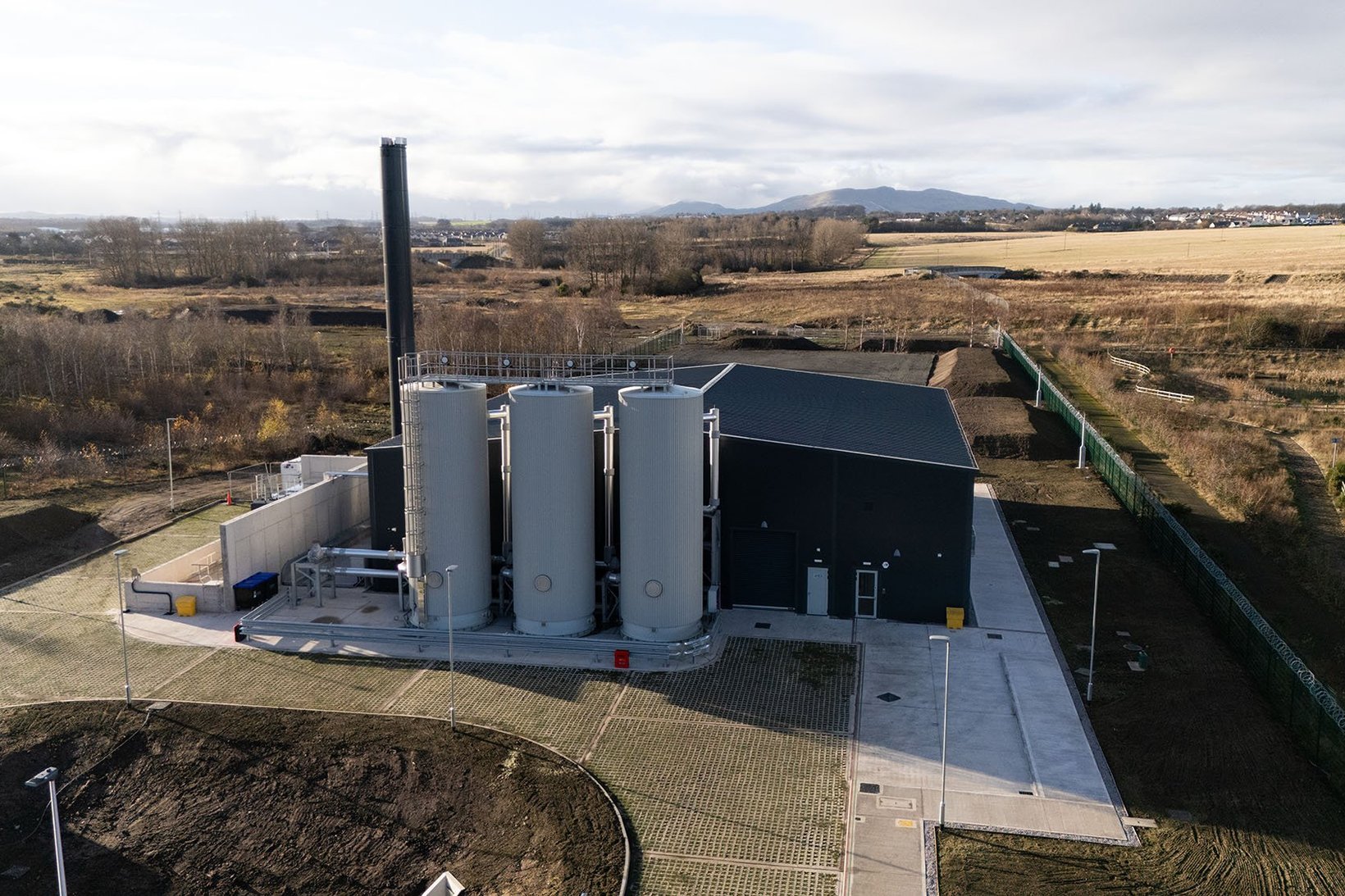
For example, Vattenfall has partnered with Midlothian Council to provide low carbon heat to new homes in Midlothian. The heat network will capture low carbon heat from the Millerhill Recycling and Energy Recovery Centre, an energy from waste plant operated by FCC Environment. The main energy centre will have the potential to heat up to 10,000 homes equivalent.
By tapping into the waste heat from EfW plants, we are not just managing our rubbish responsibly, we are creating sustainable, local energy solutions that keep our communities warm and help the UK achieve its ambitious net zero goals.
Energy from waste is not about choosing between recycling or incineration. It is a practical, local solution that makes our energy lower carbon and more secure for years to come. We can be smart with the waste we can’t avoid and turn it into something useful: warm and comfortable homes and businesses.
See also
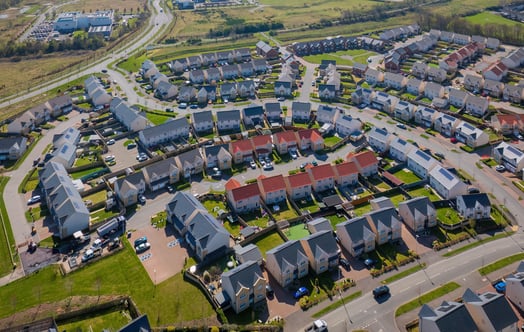
Connecting communities: 100th property joins the MEL heat network
We’ve recently connected the 100th property to the MEL heat network in Midlothian – a major milestone for the operations of our local, Scotland team. Properties are currently con...
Vattenfall supports new research on heat network regulation with BPF
We’re pleased to be supporting a new piece of research, commissioned by the British Property Federation (BPF), to examine the impact of heat network regulation on the property sector.

Green light for Bristol heat network low carbon energy centre
Plans have been approved by Bristol City Council for the Bath Road Energy Centre, marking the latest milestone in Vattenfall’s expansion of the Bristol heat network.