
The UK and Denmark cross-market knowledge sharing
Recently, my colleague Ben Carter and I were invited to Denmark by the Danish Board of District Heating, to share and gather cross-market knowledge about heat networks in Denmark and the UK. As self-confessed heat network enthusiasts, we were excited to take part in a two-day series of site visits to heat network facilities and discussions with other industry representatives.
The Climate Change Committee has highlighted that heat networks are a crucial part of the UK's pathway to reaching its net zero targets. As a result, the UK Government is aiming for the number of homes connected to a heat network to increase from 3% to 20% by 2050. By comparison to the UK, in Denmark 66% of households are currently connected to district heating systems and therefore, decades ahead of the UK in terms of heat network infrastructure.
As both Ben and I work in Business Development, a key part of our role is about being proactive with gathering knowledge from industry representatives.
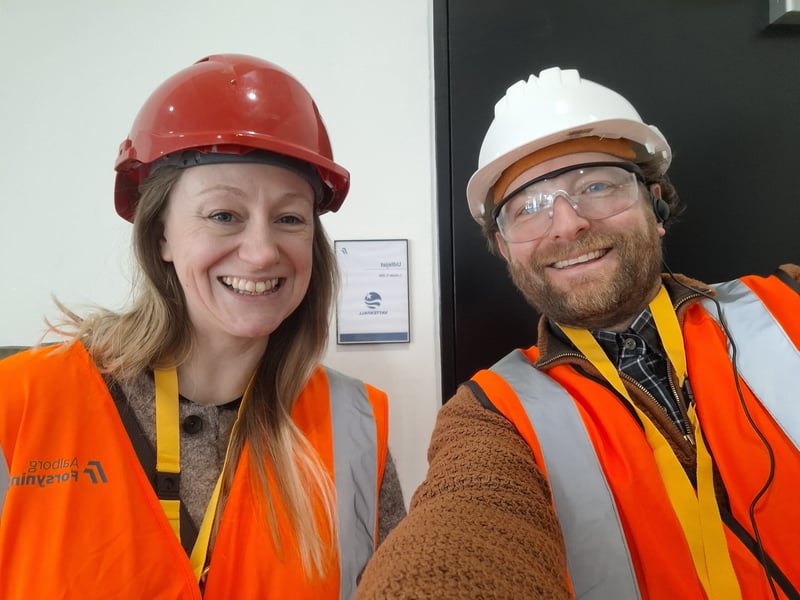
Kate and Ben in Denmark
We are also keen to share our own knowledge to strengthen the case for bringing reliable, low carbon heat to the communities in which we are working in:
- In London, we are working with Related Argent to provide low carbon heating and cooling to Brent Cross Town.
- In Scotland, we are working as a 50/50 joint venture with Midlothian Council to provide low carbon heating through the MEL heat network.
- In Bristol, we are working as part of Bristol City Leap to deliver a citywide, sustainable heat network to benefit buildings across the city.
The field trip was designed to support knowledge exchange and strengthen collaboration between UK and Danish energy professionals. The trip brought together representatives from UK local authorities, heat network developers, consultants, and suppliers to explore how Danish district heating solutions are planned, operated, and further developed in practice.
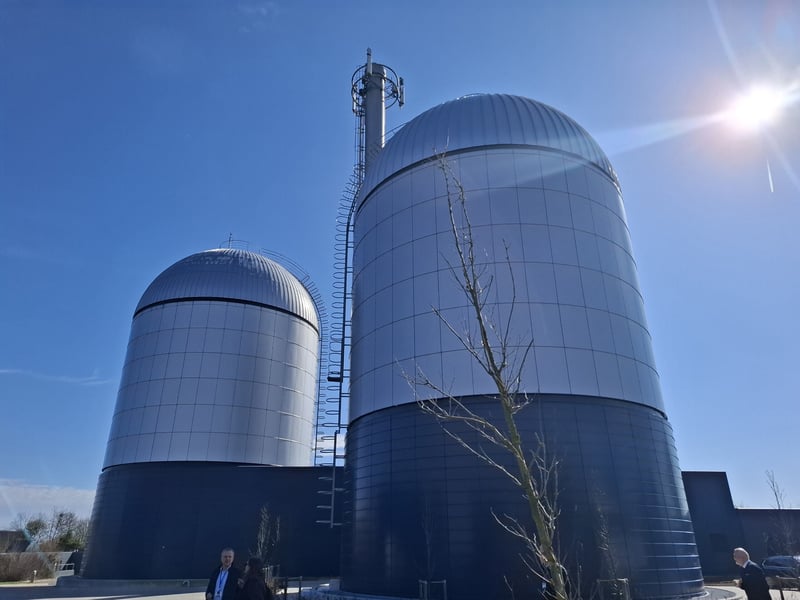
Heat network assets in Denmark
The UK’s roll-out of heat networks may not be as advanced as Denmark’s, but we can learn from the experience gathered through Danish heat networks and adopt best practice early. For example, like Denmark, we are already installing heat networks that can adapt to diverse heat sources as they come online, such as excess heat from waste incinerators, e-boilers and biodiesel. This allows heat networks to reuse surplus heat from other sectors and industries, supports security of supply and builds resilience locally and nationally.
It was striking to see how much more familiar the Danish public are with heat networks in comparison to the UK, where awareness is comparatively low. Our customer experience team works proactively with new customers to introduce the heat network, explain how it works, and where to go if they need support.
We know that raising awareness of heat networks goes beyond our customers. Vattenfall is working with the wider industry to raise awareness of heat networks in the UK and the incredibly important role they can play in helping to solve the heat decarbonisation puzzle. International knowledge exchange remains a key part of accelerating the sustainable heating transition, and we look forward to continuing to be part of the dialogue between Denmark, the UK and beyond.

See also
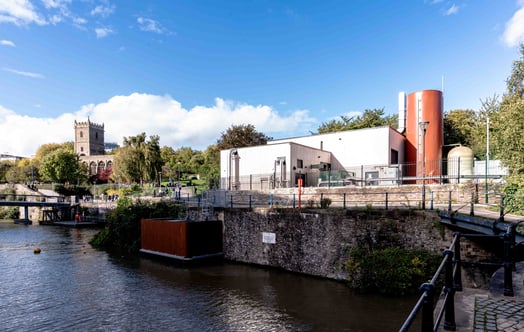
£13.5mn government funding unlocks next phase of Bristol heat network
The Bristol heat network has been awarded £13.5 million from the Government’s Green Heat Network Fund to deliver the Temple Quarter heat network project.
From Michigan to Midlothian: a transatlantic visit focused on climate action
We recently welcomed a group of students from Western Michigan University to our Edinburgh office, travelling all the way from across the pond to learn about Scotland’s approach to low...
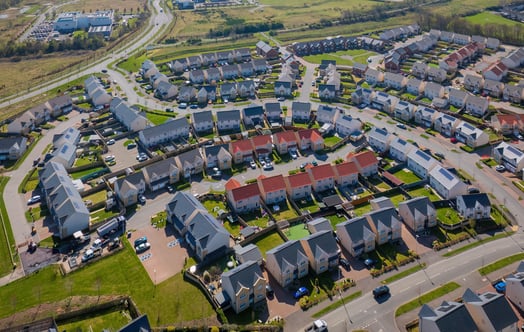
Connecting communities: 100th property joins the MEL heat network
We’ve recently connected the 100th property to the MEL heat network in Midlothian – a major milestone for the operations of our local, Scotland team. Properties are currently con...