
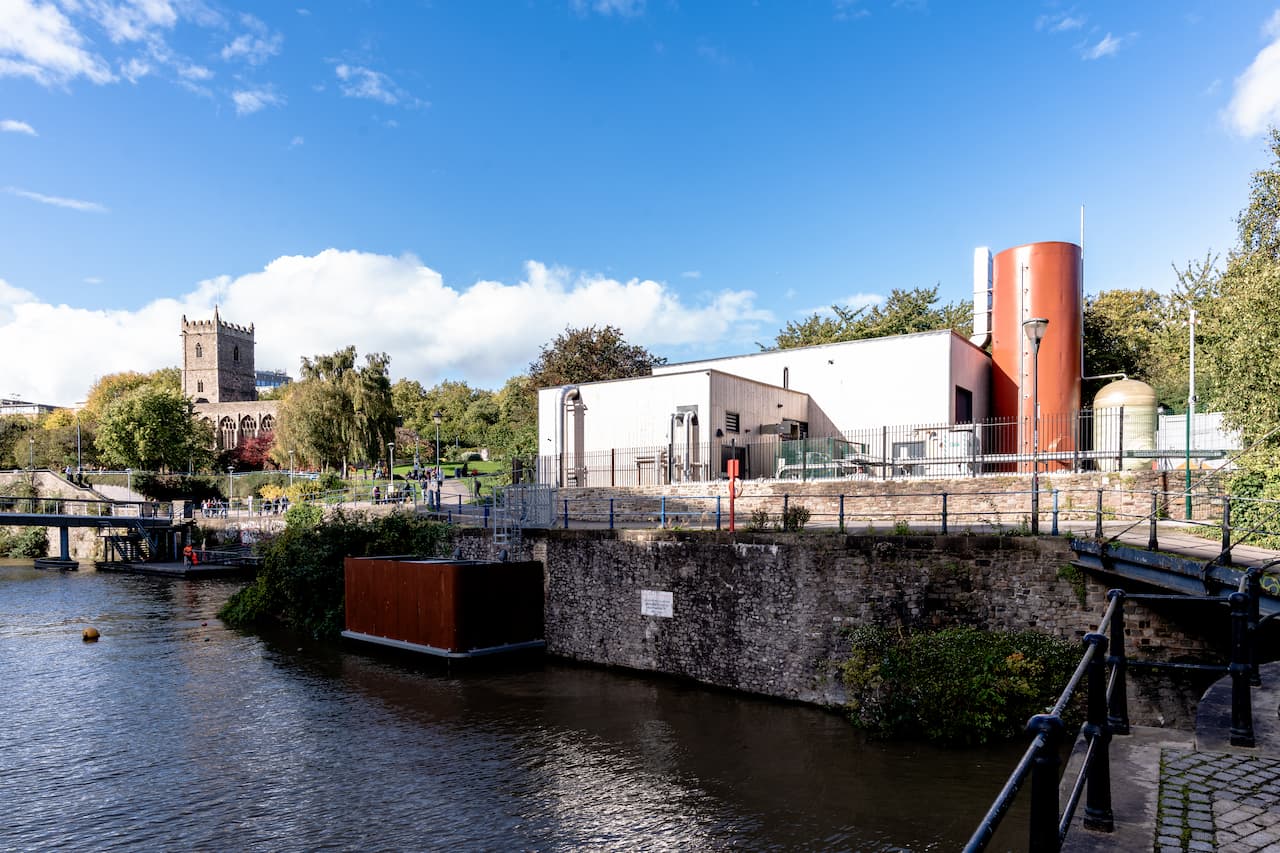
Green light for Bristol heat network low carbon energy centre
- Plans approved for Bath Road Energy Centre, an all-electric facility that will deliver low carbon heating and hot water to thousands of Bristol homes and businesses.
- The energy centre will serve the new Temple heat network area, providing heating and hot water for up over 7,000 homes and reducing carbon emissions by up to 65%, compared to a gas boiler.
- This infrastructure is being delivered as part of Bristol City Leap, a twenty-year partnership between Bristol City Council, Ameresco and Vattenfall, to support the city’s target of being carbon neutral and climate resilient.
Plans have been approved by Bristol City Council for the Bath Road Energy Centre, marking the latest milestone in Vattenfall’s expansion of the Bristol heat network.
At 13MW, Bath Road Energy Centre will be the largest all-electric district heating energy centre in Bristol. It will deliver low carbon heating and hot water to thousands of homes and businesses across the city, using air source heat pumps and electric boilers. The planned infrastructure will work alongside our other energy centres, including the large water source heat pump already running at Castle Park Energy Centre.
The Bristol heat network is being delivered as part of Bristol City Leap, a twenty-year partnership between Bristol City Council, Ameresco and Vattenfall, to support the city’s transition to a low carbon future.
Situated by Bristol Temple Meads train station, adjacent to Bath Road (A4), one of Bristol’s main gateways, Bath Road Energy Centre will act as the engine room for one of the UK’s biggest urban regeneration schemes, the Bristol Temple Quarter development. Within this development the new energy centre will provide heating and hot water for over 7,000 homes and reducing carbon emissions by up to 65%, compared to a gas boiler.
Vattenfall has already connected the the heat network to The University of Bristol’s Temple Quarter Enterprise Campus (TQEC) Academic Building. Working together, Vattenfall and the University of Bristol have delivered a heating system that can capture and reuse excess heat from the University’s computer servers. This will help to provide heating and hot water for the rest of the campus in the future, as well as to homes and businesses in the local area.
Not only will the energy centre add significant low carbon energy generation capacity, it will also become a new civic architectural feature that reflects its industrial landscape. With support from local architects, Bath Road Energy Centre will be visually striking and has gained support from Historic England.
Vattenfall’s vision is for over half of all Bristolians living, working and learning in the city to be kept warm by the Bristol heat network by 2050. By installing and operating this critical energy infrastructure, the heat network will help to make sustainable heating and hot water a part of everyday life.
Dom Barton, Director of Heat Networks – Bristol, at Vattenfall said:
“We’re delighted to have received planning for Bath Road Energy Centre. This infrastructure will unlock a low carbon future for Bristol, providing buildings in the city centre with access to a long-term, future proofed decarbonisation solution, reducing the need to burn fossil fuels to heat homes and buildings in Bristol.”
Jane Vivian, Director of Inclusive and Sustainable Growth, BTQ LLP said:
“Our Inclusive and Sustainable Growth Strategy and Charter set out a clear long-term commitment to a people and planet first approach to regeneration, ensuring benefits are shared across the local population through the development of sustainable places. Planning approval for the Bath Road Energy Centre is a really positive step towards this goal. Alongside the Southern Gateway’s new cycle hub and sustainable travel infrastructure, the energy centre will create a low carbon new gateway to the city.”
Stephen Runicles, interim Temple Quarter Project Director said:
“Our approach in the technical design has been to effectively use, capture and reuse heat energy in the building, and to incorporate the capability to export excess heat to the city-wide network in the future as it matures. It has been a long journey for our first connection, and we look forward to a successful long-term relationship.”
Councillor Martin Fodor, Chair of the Environmental and Sustainability Committee, said:
“We are proud to support the Bath Road Energy Centre, delivered by our joint venture partners Bristol City Leap. Expanding the city's heat network is a positive step towards future proofing the city, cutting harmful carbon emissions and reducing our reliance on fossil fuels.
“Resilient energy infrastructure supports our ambition to lower carbon emissions across the city and continued investment in expanding the heat network means more people can live, work and learn in buildings heated by low carbon sources.”
Stephen Guy, Inspector of Historic Buildings and Areas, Historic England said:
“The design, articulation and materiality of the proposed development have been carefully conceived and clearly interprets the character of the area, defined by the railways yards and sidings that prelude the Grade I station complex. This is a contextual design response and also a very distinctive and individual building, partially steered by the design brief for its use.”
James Horner, Associate Director, Stride Treglown said:
“The Bath Road Energy Centre is more than just a utility building; it’s a statement of intent for Bristol. We wanted to design a facility that honours the city’s industrial past while providing the clean energy infrastructure needed for its future.”
Adam Al-Azki, Technical Director, Buro Happold, said:
“We’re thrilled to see the Bath Road Energy Centre reach this important planning milestone. This achievement reflects the strength of the collaboration between Vattenfall, Buro Happold and Stride Treglown in developing an integrated engineering and architectural solution capable of delivering low‑carbon district heating to Bristol. We’re proud to support Vattenfall’s bold vision for fossil freedom, and this milestone marks a significant step toward bringing clean, reliable heat to the city.”
See also
From Michigan to Midlothian: a transatlantic visit focused on climate action
We recently welcomed a group of students from Western Michigan University to our Edinburgh office, travelling all the way from across the pond to learn about Scotland’s approach to low...
Connecting communities: 100th property joins the MEL heat network
We’ve recently connected the 100th property to the MEL heat network in Midlothian – a major milestone for the operations of our local, Scotland team. Properties are currently con...
Vattenfall supports new research on heat network regulation with BPF
We’re pleased to be supporting a new piece of research, commissioned by the British Property Federation (BPF), to examine the impact of heat network regulation on the property sector.